Marrakech in January Feels Warmer Outside Than You Might Expect
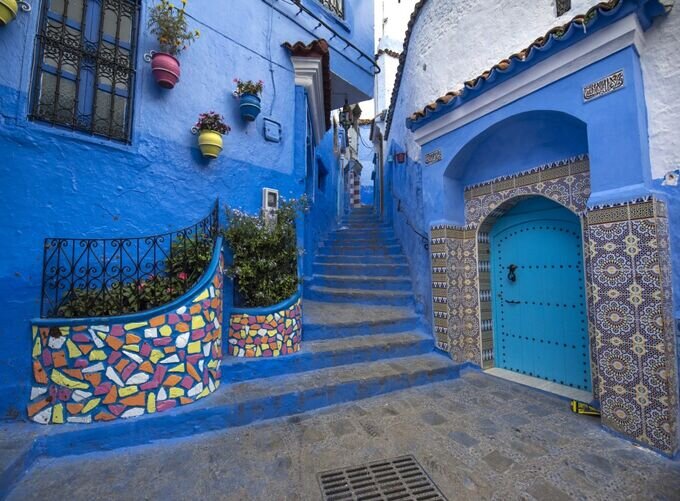
January Changes the Way You Use a Riad
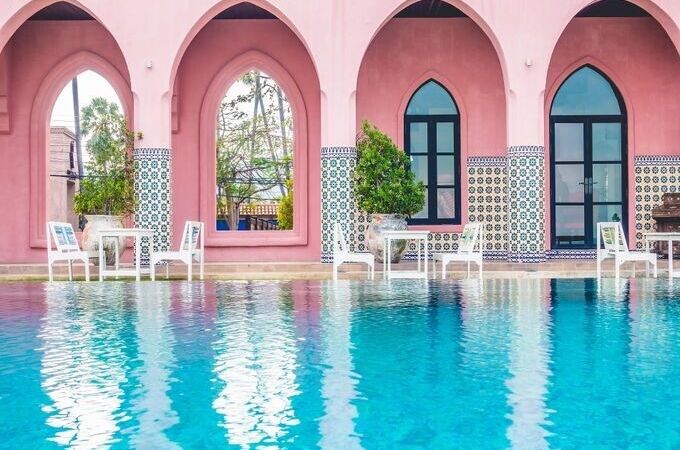
In warmer months, a riad courtyard can become a retreat from Marrakech's heat. January changes the relationship. The courtyard may still be one of the property's most beautiful spaces, but the sunniest corner can suddenly become the most desirable place to sit.
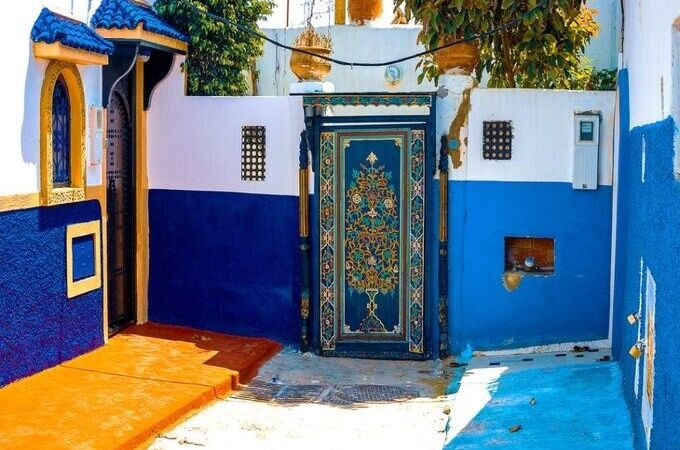
This is worth remembering when choosing accommodation from photographs. A spectacular courtyard filled with tiles, plants and fountains tells you very little about how much direct winter sunlight reaches it. Likewise, a rooftop that looks secondary in summer photographs may become one of the property's most enjoyable daytime spaces in January.
If outdoor time at your accommodation matters to you, ask practical questions. Is there a sunny rooftop? Are there sheltered seating areas? How is the room heated? The answers can influence winter comfort more than decorative details.
Build the Day Around Places, Not Temperature Numbers
January becomes easier to understand when you stop asking whether 15°C, 18°C or another forecast temperature is “warm enough.”
Instead, ask what you will be doing when that temperature occurs.
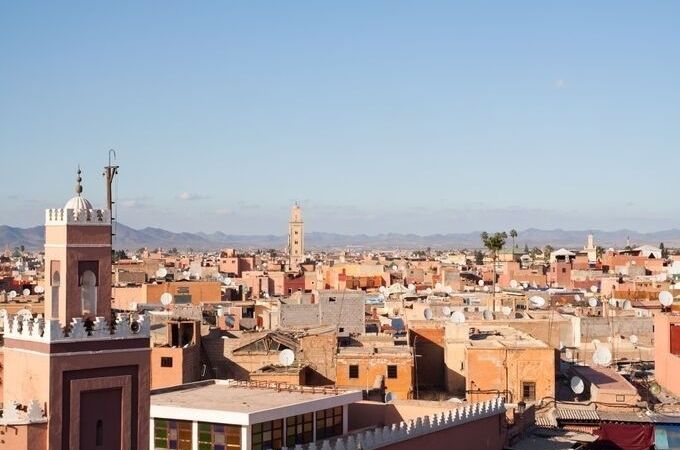
Walking through a sunny square, browsing a shaded souk, sitting through a long lunch and relaxing in a riad courtyard are four different experiences even when the weather station records exactly the same conditions.
A practical January day might therefore develop naturally:
cooler start → active medina walking → sunny outdoor lunch → more shaded exploration → return for an extra layer → evening in the city.
This is not a rigid itinerary. It simply recognizes that Marrakech's winter comfort follows the interaction between time, architecture and activity.
Give Lunch the Outdoor Table Before Dinner
If outdoor dining is important to you, January often rewards using the brightest part of the day rather than automatically reserving terrace ambitions for evening.
A sunny lunch can be one of the month's pleasures. You have already spent time walking, the day has developed, and direct sunshine can make a terrace feel inviting without the intensity associated with warmer seasons.
Dinner deserves a separate decision.
Once the sun disappears, an attractive rooftop can become much cooler, and comfort may depend on shelter, heating and what you are wearing. Instead of insisting that every meal happen outdoors because you came to Marrakech for winter sunshine, choose the moment when the terrace actually contributes something.
What to Keep in Your Day Bag
January packing becomes easier when the day bag solves the transitions rather than trying to anticipate one perfect outfit.
| Carry | Why It Earns Its Place |
|---|---|
| Removable layer | Useful when moving from sunny streets into cooler shade |
| Sunglasses | Bright winter sunshine can still be strong |
| Light sun protection | Several sightseeing hours may be spent outdoors |
| Water | Cooler weather can make hydration easier to forget |
| Comfortable walking essentials | Medina exploration can accumulate considerable time on foot |
| Small evening layer | Useful if you remain outside after sunset |
The table intentionally avoids becoming a generic Morocco packing checklist. Every item responds specifically to the indoor-outdoor rhythm of a January day in Marrakech.
Don't Overcorrect for the Cool Morning
One of the least comfortable approaches is dressing heavily because the first fifteen minutes outside feel crisp.
After an hour of walking, you may regret it.
The better approach is modular. Begin comfortably, but make sure your outer layer can be removed easily once movement and sunshine change how the air feels. This is particularly useful on days when your sightseeing moves repeatedly between open squares, covered market areas and indoor attractions.
January does not require you to choose between winter clothing and warm-weather clothing.
It rewards clothing that can behave like both.
The Evening Deserves Its Own Forecast Check
Travelers often check the daily high and stop reading.
For January in Marrakech, the later conditions deserve equal attention if you intend to stay outside after sunset. A pleasant afternoon does not guarantee that you will want the same clothing several hours later, particularly when sitting rather than walking.
Look at the full day's forecast before leaving your accommodation.
That small habit can prevent the irritating choice between returning to the riad earlier than planned or spending dinner wishing you had brought the layer hanging in your room.
January Is Better When You Stop Trying to Label It
“Warm winter destination” is true on some levels and misleading on others.
“Cold in January” is equally incomplete.
Marrakech does not need one label because the visitor experience changes repeatedly within the same day. Bright sunshine may dominate your photographs while cool courtyards dominate your memory of the riad. You may remove a jacket during lunch and be grateful for it again after dinner.
The useful expectation is contrast.
Once you arrive prepared for that, the changing sensations stop feeling inconsistent and begin feeling like part of Marrakech's winter character.
12 Questions About Marrakech in January
1. What is the weather like in Marrakech in January?
January generally brings mild winter days, cooler mornings and evenings, with a mixture of sunshine and occasional unsettled weather. What visitors often notice most is the contrast between comfortable sunny outdoor conditions and noticeably cooler shaded streets, courtyards and traditional interiors.
2. Is Marrakech warm in January?
It can feel pleasantly mild in direct sunshine, particularly while walking, but describing January simply as warm can be misleading. Shaded parts of the medina, riad interiors and evenings may feel considerably cooler than a bright afternoon suggests.
3. Is Marrakech cold at night in January?
Evenings and nights can feel distinctly cool compared with daytime conditions, especially after the warmth of direct sunshine disappears. If you plan to dine outside, explore Jemaa el-Fnaa or remain on a rooftop after sunset, carry an appropriate additional layer.
4. Does it rain in Marrakech in January?
Rain is possible during Marrakech's cooler season, although January should not be imagined as continuously wet. Conditions vary from year to year and between individual dates, making a current short-range forecast more useful for daily planning than monthly averages alone.
5. What should I wear in Marrakech in January?
Wear adaptable layers rather than one heavy winter outfit. Clothing should remain comfortable during active sightseeing in sunshine while allowing you to add warmth in shaded spaces, during stationary meals and after sunset when the city can feel noticeably cooler.
6. Do riads feel cold in Marrakech during January?
Some traditional riads can feel surprisingly cool because thick walls, shaded courtyards and limited direct sunlight create different conditions from the street outside. Properties vary significantly, so travelers concerned about winter comfort should check room-heating arrangements before booking.
7. Can I eat outside in Marrakech in January?
Yes, outdoor dining can be enjoyable on suitable days, particularly when a terrace receives direct sunshine. Lunch and dinner should be treated differently, however, because a rooftop that feels excellent during the afternoon may become considerably cooler after sunset.
8. Are rooftop terraces enjoyable in January?
They can be, especially during bright daytime conditions. Timing matters more than the simple presence of a rooftop: sunshine, wind, shelter and whether you are walking or sitting all influence comfort, while evening use may require warmer clothing or heating.
9. Do I need sunglasses and sunscreen in January?
They can still be useful because Marrakech receives bright winter sunshine and sightseeing often involves extended outdoor periods. Cooler air should not be interpreted as an absence of sun exposure, particularly when several hours are spent walking through open parts of the city.
10. Should I pack a heavy winter coat for Marrakech?
That depends on your personal cold tolerance, forecast and wider itinerary, but Marrakech city sightseeing often benefits more from adaptable layers than a single very heavy coat. You should be able to reduce insulation comfortably when walking in sunshine.
11. Why does Marrakech feel colder inside than outside in January?
Traditional architecture can limit direct winter sunshine, while courtyards, tiled surfaces, substantial walls and shade create a different thermal environment from sunny streets. Your activity also matters because continuous walking outdoors generates body warmth that disappears once you sit indoors.
12. What makes January different from February in Marrakech?
January owns the sunny-outdoors versus cool-interiors contrast, particularly the surprising transition between bright streets, shaded medina lanes and traditional riads. February will move away from accommodation temperature and examine a different late-winter experience: how changing sunshine and comfort influence Marrakech's café, terrace and outdoor social rhythm.

A travel professional specializing in tailor-made travel planning, guest experience management, and multi-destination tourism operations.
With over 23 years of experience in the travel industry, he designs and manages private and cultural tours for international travelers across Türkiye, Greece, Egypt, Jordan, Morocco, and other destinations.
He has strong expertise in both online and face-to-face guest communication, sales processes, and end-to-end travel operations.
Working closely with hotels, travel agencies, and local partners, he ensures smooth coordination and high-quality travel experiences at every stage of the journey.
His focus is on delivering personalized, reliable, and seamless travel experiences for international guests worldwide.