Cairo Weather in January: Mild Days, Cool Nights & Winter Sightseeing
Updated: August 12, 2026
Cairo in January rarely feels like the winter many international travelers know. There is no long season of grey skies, persistent rain, or freezing daytime temperatures. Instead, January usually brings a much subtler version of winter: cool mornings, pleasantly mild afternoons, strong sunshine, and evenings that can become surprisingly chilly once the warmth of the day disappears.
That combination makes January particularly interesting for travelers whose Cairo plans revolve around being outdoors. The Pyramids of Giza, Saqqara, Islamic Cairo, Coptic Cairo, and the city's historic streets all require considerably more walking and open-air time than many first-time visitors expect. In midsummer, heat can influence when and how long you stay outside; in January, the weather is far less likely to dictate the structure of your sightseeing day.
Typical January daytime temperatures are around 18–20°C (64–68°F), while nights can fall to approximately 8–10°C (46–50°F). Rain remains uncommon, and sunshine is still a regular feature of the month. The real January story, however, is not the average temperature itself. It is the difference between an early departure, a sunny afternoon at Giza, and dinner after dark.
For travelers planning more than a Cairo city stay, January also fits naturally into longer itineraries. A route such as our Cairo and Nile Cruise tour allows the cooler conditions of the capital to be followed by the generally warmer climate of southern Egypt.
January in Cairo Has Three Different Personalities
Looking at a monthly average can make Cairo's January weather sound more uniform than it really is. In practical travel terms, the day often divides into three distinct periods, each requiring a slightly different approach.
Early morning is when Cairo feels most convincingly wintry. If you leave your hotel for Giza or Saqqara soon after breakfast, a sweater or light jacket can feel entirely appropriate, particularly on a breezy morning. The desert-edge location of many archaeological sites can make the air feel cooler than a temperature figure alone suggests.
By late morning, the experience changes. Sunshine becomes more noticeable, temperatures rise, and the same jacket that felt necessary at breakfast may spend the next several hours in your bag. This is often January's most comfortable sightseeing period because walking in exposed archaeological areas can feel pleasant without the physical drain associated with extreme heat.
Then sunset resets the atmosphere. Cairo cools relatively quickly after dark, and travelers who dressed only for their midday experience are often the ones most surprised by January.
How a January Day Changes
| Time of Day | Likely Feel | What Matters Most |
|---|---|---|
| 7:00–9:00 | Cool and occasionally brisk | A light jacket is useful |
| 9:00–12:00 | Gradually warming | Ideal for active sightseeing |
| 12:00–15:00 | Mild, often sunny | Comfortable outdoor conditions |
| 15:00–Sunset | Pleasant but cooling | Keep an extra layer nearby |
| After Sunset | Cool | Jacket or sweater becomes useful |
This day-to-night contrast is the central practical theme of Cairo in January and separates the month from the hotter periods that will have their own dedicated pages in this cluster.
Why January Changes the Giza Experience
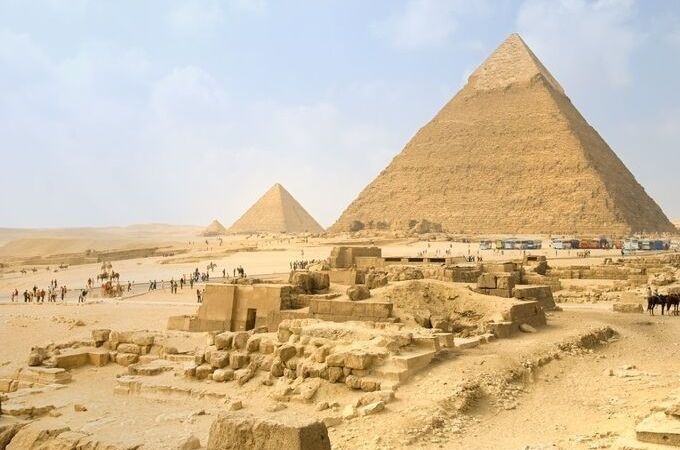
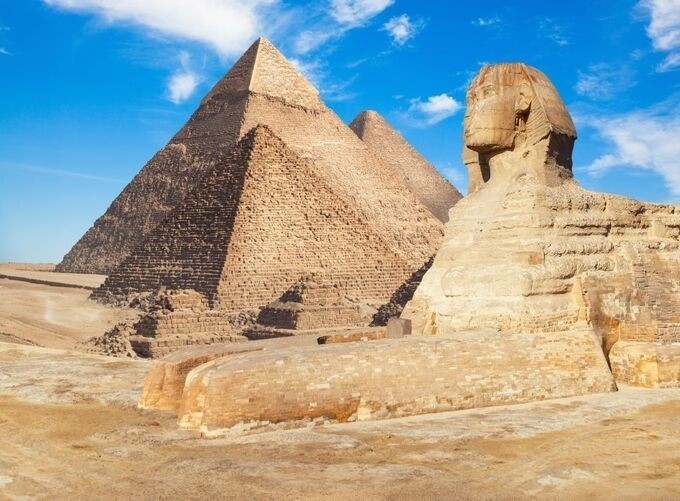
The Giza Plateau is not an indoor attraction with a short walk between exhibits. Travelers move through an exposed landscape containing the Great Pyramid, the Pyramid of Khafre, the Pyramid of Menkaure, panoramic viewpoints, the Sphinx, and other archaeological features. Even when transportation is used between sections, a meaningful visit involves considerable time outside.
January changes how that time feels.
The cooler air makes it easier to remain outdoors without constantly searching for shade or reorganizing the day around peak heat. Photography can also become less physically tiring because you have more freedom to wait, walk between viewpoints, and spend additional time looking at the plateau rather than treating each stop as something to complete quickly.
There is still a desert sun, so sunglasses and sun protection remain useful. What January removes from the equation is the assumption that every exposed archaeological site needs to be completed as early as possible.
That distinction matters for travelers taking a more extensive journey such as the 8-day Egypt and Nile tour, where Cairo is only the beginning of several days of archaeological sightseeing.
Giza, Saqqara or Central Cairo: Where Does January Matter Most?
January weather affects different parts of a Cairo itinerary in different ways, which is why a single temperature reading does not tell you whether the month is suitable for your plans.
| Experience | January Weather Advantage | Main Consideration |
|---|---|---|
| Giza Plateau | Long outdoor visits are easier | Exposed areas can feel breezy |
| Saqqara | Comfortable for walking between sites | Limited shade still makes sun protection useful |
| Islamic Cairo | Pleasant for longer walking routes | Evening temperatures fall quickly |
| Coptic Cairo | Easy to combine indoor and outdoor visits | Cool mornings are possible |
| Museums | Weather has little direct impact | Useful option on an unusually cool day |
| Nile evening | Comfortable atmosphere with layers | Air near the river can feel cooler after dark |
The biggest January advantage therefore belongs to travelers who want to walk, linger, and explore, rather than simply move from one indoor attraction to another.
Cairo's Winter Sun Can Be Misleading
One of January's small traps is visual rather than meteorological. A bright blue sky can make the day look warmer from a hotel window than it feels when you first step outside.
The opposite happens around midday. A morning that began with a jacket can become warm enough in direct sunlight that heavy winter clothing feels cumbersome.
For that reason, packing one thick outfit for “winter in Cairo” is less practical than bringing several light layers. Clothing should be easy to remove and carry because you may adjust it more than once during the same sightseeing day.
This also explains why Cairo's January weather should not be interpreted through European or North American ideas of winter. It is better understood as a dry, mild winter with a substantial daily temperature range.
Does January Rain Disrupt Cairo Sightseeing?
Rain is possible in January, but it is rarely the central concern when planning a Cairo trip. The city has an arid climate, and prolonged wet periods are unusual. A traveler should be aware that a brief shower can occur without treating rain as something around which the entire itinerary needs to be designed.
Heavy waterproof clothing generally has limited value compared with a versatile light jacket that can deal with both cooler air and occasional wind.
What deserves more attention is the effect of an unusually hazy or windy day around exposed sites. Cairo sits beside a vast desert environment, and visibility or airborne dust can occasionally change the atmosphere of an outdoor visit even when no rain is present.
That is another reason January travel planning should focus on conditions and comfort, not merely the probability of precipitation.
What to Pack Without Overpacking
A January Cairo suitcase should work across morning, afternoon, and evening rather than being built around a single temperature.
Comfortable walking shoes are essential for archaeological sites and older neighborhoods where surfaces can be uneven. Breathable shirts or tops work well during the warmer part of the day, while a sweater, cardigan, or light jacket provides enough flexibility for early departures and evenings. Sunglasses remain useful despite the season, and a compact scarf can serve several purposes, from extra warmth to appropriate coverage when visiting religious sites.
You are unlikely to need the type of heavy winter coat required for northern European weather. Equally, packing only shorts and summer shirts because the destination is Egypt can leave you uncomfortable after sunset.
January Packing Priorities
| Pack | Why It Earns Space |
|---|---|
| Light jacket | Early mornings and evenings |
| Sweater or cardigan | Easy mid-layer for changing temperatures |
| Breathable daytime clothing | Midday can feel warm in direct sun |
| Comfortable closed shoes | Giza, Saqqara and historic districts |
| Sunglasses | Winter does not mean weak sunshine |
| Light scarf | Warmth, wind and cultural-site versatility |
The objective is not to prepare for severe cold. It is to avoid being dressed for only one part of the day.
January Becomes More Interesting When Cairo Is Only the Beginning
Cairo's winter conditions should not automatically determine what you pack for Luxor, Aswan, or Abu Simbel. Southern Egypt is generally warmer, particularly during daylight hours, and a multi-city itinerary can therefore involve noticeable climate changes within the same trip.
That makes January especially suitable for flexible clothing rather than destination-specific outfits. A jacket that feels valuable during an early Cairo departure may remain in your cabin or vehicle during a sunny afternoon farther south.
Travelers considering a longer route can see this contrast particularly clearly on a 9-day Cairo, Aswan and Luxor tour, which moves from the capital into the Nile Valley rather than treating Egypt as one uniform weather zone.
This geographical contrast will remain secondary in this January article, however. The purpose of this page is not to become another general Egypt weather guide. Its job is much narrower: to explain what Cairo's midwinter conditions actually mean for someone visiting the city in January.
The January Question Is Really About How You Use the Day
For many travelers, the most useful advantage of January is not simply that Cairo is cooler. It is that the weather gives you more freedom to build a sightseeing day around the places themselves rather than around the hottest hours.
A pyramid day, for example, can begin at Giza and continue toward Saqqara without the same urgency to finish exposed archaeological areas before midday. Alternatively, you can spend the morning in historic Cairo, stop for lunch, continue to a museum, and still feel comfortable returning outdoors later in the afternoon. This flexibility is particularly valuable for travelers who dislike rushed itineraries.
The shorter winter day does create one trade-off. Outdoor sites and panoramic viewpoints are best planned with daylight in mind, while museums, restaurants, markets, and evening experiences can naturally occupy the hours after sunset. Rather than trying to squeeze every attraction into the brightest part of the day, January rewards a more deliberate sequence.
A Better Way to Build a January Sightseeing Day
| Priority | Better Timing | Why January Helps |
|---|---|---|
| Giza or Saqqara | Morning to early afternoon | Long periods outdoors are more comfortable |
| Historic neighborhoods | Late morning or afternoon | Walking is easier without intense heat |
| Museums | Flexible | Useful around outdoor sightseeing rather than as heat escapes |
| Nile experience | Late afternoon | See the city change as daylight fades |
| Dinner and evening walks | After sunset | Comfortable with an additional layer |
This is not intended as a fixed daily schedule. January's advantage is precisely that you generally have enough climatic flexibility not to need one.
Who Will Appreciate Cairo Most in January?
January has a particular appeal for travelers who place archaeological exploration above swimming pools, resort weather, or consistently warm evenings.
It suits visitors who want to spend substantial time at Giza and Saqqara, photographers who prefer being able to wait for changing light without battling extreme heat, families concerned about long outdoor sightseeing days, and mature travelers who find high summer temperatures tiring.
It can also work extremely well for first-time visitors because Cairo itself requires energy. Distances are large, traffic can lengthen transfers, archaeological sites involve walking, and some of the city's most interesting neighborhoods are better experienced slowly. Mild weather removes one potential source of fatigue from an already active itinerary.
January is less convincing for someone whose definition of an Egyptian holiday depends on hot evenings and a summer atmosphere. Cairo remains an excellent winter city destination, but winter city weather is exactly what you should expect.
What January Cannot Guarantee
Weather averages are useful for understanding a month, but they should never be treated as a promise for individual travel dates.
A particular January week may be warmer than expected, while another can bring noticeably cooler mornings, wind, haze, or occasional rain. Desert-influenced climates can also produce substantial temperature differences between direct sunshine and shade.
This is why checking a short-range forecast shortly before departure remains worthwhile even when the long-term pattern looks predictable. It allows you to fine-tune what goes into your day bag without redesigning the entire trip around weather.
January's strength is not perfect uniformity. It is the relatively low likelihood that prolonged extreme heat or persistent rainfall will dominate a typical Cairo sightseeing itinerary.
January in Cairo: The Decision Table
Rather than rating January against every other month—which would push this article into the semantic territory of a best time to visit Cairo guide—it is more useful to ask whether January conditions match a particular travel priority.
| Your Priority | January Fit | Why |
|---|---|---|
| Long archaeological visits | Excellent | Mild daytime conditions favor outdoor exploration |
| Walking historic districts | Very Good | Less heat accumulation during longer walks |
| Photography outdoors | Very Good | Easier to remain outside and wait for viewpoints |
| Warm evenings | Moderate | Temperatures fall noticeably after sunset |
| Minimal rain disruption | Excellent | Rainfall is generally limited |
| Packing only summer clothes | Poor | Morning and evening layers are important |
That distinction keeps January's role clear: this is primarily a month for travelers who value comfortable exploration over guaranteed heat.
One January Packing Decision Matters More Than the Rest
If there is one item worth getting right, it is the outer layer.
It should be light enough to carry when the midday sun makes it unnecessary, but useful enough to wear during an early departure or evening outside. A bulky winter coat can become inconvenient, while a very thin summer layer may not provide enough comfort on a cooler night.
Everything else can be built around that principle. Choose clothes that work together rather than separate “winter” and “summer” outfits, bring footwear suited to uneven archaeological surfaces, and remember that sunshine remains relevant even when the air feels cool.
The result is a smaller and more practical suitcase for a city where you may encounter several different temperature sensations before dinner.
The January Verdict
Cairo in January makes the strongest case for itself outdoors. The month does not offer guaranteed warmth from breakfast until bedtime, nor should it be marketed as a winter-sun destination where jackets become unnecessary. Its advantage is more useful than that for many cultural travelers.
Cooler mornings make early departures comfortable, mild afternoons allow longer periods around exposed archaeological sites, and limited rainfall means weather disruption is usually a secondary concern. The price for that comfort is a noticeable evening chill and the need to dress in layers.
For travelers coming primarily to see Cairo rather than simply feel Egyptian sunshine, January can be an exceptionally practical month.
Cairo in January FAQs
1. Is Cairo cold in January?
Cairo is generally mild rather than truly cold during January, particularly in daylight. Afternoons can be very comfortable in sunshine, but early mornings and evenings feel considerably cooler. Travelers accustomed to warm-weather destinations should therefore bring a light jacket or sweater rather than relying exclusively on summer clothing.
2. What temperature should I expect in Cairo in January?
Daytime temperatures commonly reach roughly 18–20°C (64–68°F), while nighttime temperatures can fall to around 8–10°C (46–50°F). Individual days vary, so the most important feature for travelers is the considerable temperature difference between a sunny afternoon and the hours before sunrise or after sunset.
3. Can I visit the Pyramids comfortably in January?
January is particularly well suited to extended visits around the Giza Plateau because temperatures are usually much easier for outdoor walking than during hotter periods. There is limited shade across parts of the site, however, so sunglasses, water, comfortable footwear, and sun protection remain sensible even in winter.
4. Do I need a winter coat in Cairo in January?
A heavy winter coat is unnecessary for most travelers, although personal tolerance to cold varies. A lightweight or medium jacket combined with layers is generally more practical because you can remove it as the day warms and put it back on when temperatures fall after sunset.
5. Does it rain much in Cairo during January?
Rain can occur, but January remains dry compared with winter in most European or North American cities. Extended periods of rainfall are uncommon, so a heavy waterproof wardrobe is rarely necessary. Checking the forecast shortly before departure is more useful than packing extensively for wet weather.
6. Can I wear shorts in Cairo in January?
There may be sunny afternoons when shorts feel comfortable to some visitors, but trousers are generally more versatile for January's changing temperatures and cultural sightseeing. They work better during cool mornings and evenings and are also more practical when visiting mosques, religious sites, and archaeological areas.
7. Is January suitable for walking around Old Cairo?
Yes. January's mild daytime temperatures can make extended walking considerably more comfortable, particularly through historic neighborhoods where the experience comes from exploring streets rather than moving directly between monuments. Comfortable shoes remain important because older districts may include uneven paving, steps, and long periods on foot.
8. Will Cairo feel warmer in direct sunlight?
Often, yes. Cairo's winter sunshine can make midday conditions feel noticeably warmer than the measured air temperature suggests, while shaded areas may remain cool. This contrast is another reason layers work so well: clothing that feels necessary at breakfast may become unnecessary during an exposed afternoon visit.
9. Are Cairo evenings cold in January?
Evenings can feel surprisingly cool after a sunny afternoon, especially if you remain outdoors for dinner, walk beside the Nile, or return late from sightseeing. You are unlikely to encounter severe winter cold, but carrying a jacket or sweater prevents the common mistake of dressing only for midday conditions.
10. Is January weather suitable for children visiting Cairo?
For families planning archaeology-heavy days, January's lower temperatures can make outdoor sightseeing easier than periods of intense heat. Children still need water, sun protection, comfortable footwear, and layers, while the day's pace should reflect their age rather than assuming cooler weather eliminates the fatigue of extended sightseeing.
11. Is Cairo warmer than Luxor and Aswan in January?
Usually the opposite. Cairo experiences cooler winter conditions than destinations farther south, while Luxor and Aswan generally have warmer daytime temperatures. Travelers combining several Egyptian regions should therefore pack adaptable layers rather than using the Cairo forecast as a temperature guide for their entire journey.
12. Is January a good month for a first trip to Cairo?
It can be an excellent fit when your priorities are pyramids, archaeology, museums, historic neighborhoods, and extensive sightseeing on foot. The month favors active cultural travel, although visitors expecting consistently hot weather should understand that mornings and evenings can feel distinctly cool and require an extra layer.

A travel professional specializing in tailor-made travel planning, guest experience management, and multi-destination tourism operations.
With over 23 years of experience in the travel industry, he designs and manages private and cultural tours for international travelers across Türkiye, Greece, Egypt, Jordan, Morocco, and other destinations.
He has strong expertise in both online and face-to-face guest communication, sales processes, and end-to-end travel operations.
Working closely with hotels, travel agencies, and local partners, he ensures smooth coordination and high-quality travel experiences at every stage of the journey.
His focus is on delivering personalized, reliable, and seamless travel experiences for international guests worldwide.